



Part ofHow Much Does Claude Cost? Full Pricing Breakdown
Claude free trial, explained honestly: a permanent free tier on Sonnet, $5 API credits for developers — and no 7-day Pro trial, despite the myths.
In This Article
8 sectionsThere is no standard Claude free trial in the Pro sense — Anthropic runs no permanent 14-day trial and asks for no credit card. What you actually get is a genuinely free plan at claude.ai, capped at roughly 15 to 40 messages every five hours, plus about $5 in API credits for developers who want to test the models.
We run this whole site through Claude, and the question we hear most from readers just starting out is some version of "does Claude have a free trial?" The honest answer surprises people: the free thing everyone is chasing already exists — it just isn't called a trial. Below we separate the real free access from the free-trial myths, spell out what free includes and excludes, and pin down when paying actually pays off.
What the Claude free trial actually is
Most people typing claude free trial into a search bar are picturing something like a streaming-service trial: full Pro features, free for two weeks, card on file, auto-billing the day it ends. Claude doesn't work that way. Anthropic offers two separate free things, and neither is a classic trial:
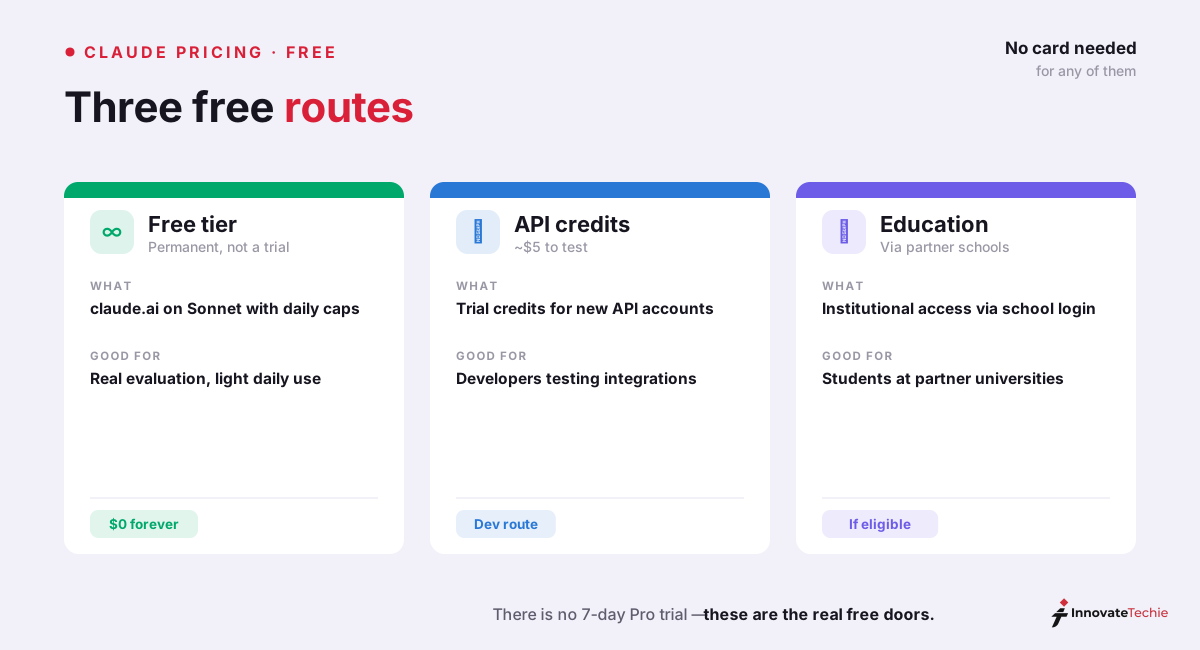
- A permanent free plan at claude.ai. No card, no clock, no expiry. Sign in with email or Google and start using Claude Sonnet immediately, within usage caps.
- About $5 in free API credits for developers who create an account on the developer console — a small evaluation budget, not an ongoing free tier.
For example, the $5 developer credit covers about 5 million input tokens on Claude Haiku 4.5 — plenty to prototype an integration.
Anthropic does occasionally run a genuine promotional Pro trial, usually timed to a big model launch, and a friend's guest pass can hand you one free week of Claude Code. Both of those need a payment method. But there is no standing, sign-up-anytime Claude free trial for Pro — and you don't need one, because the free plan already covers most casual use.
What the free plan includes (and what it locks out)
The free plan is more capable than its reputation suggests. You get the current default Claude model — a Sonnet-class model — plus file and image uploads, web search, Projects, and Artifacts. It is the same core chat experience Pro users have. What you don't get is headroom and the top-end model.
| Free plan gives you | Free plan holds back |
|---|---|
| Claude Sonnet as the default model | Full Claude Opus 4.8 access (Pro and Max only) |
| ~15–40 messages per rolling 5-hour window | Higher caps and priority at peak times |
| File and image uploads, web search, Artifacts | Extended thinking budgets and larger context |
| Projects and basic memory | Claude Code (needs a paid plan or API credits) |
| No credit card, no expiry date | Team and Enterprise collaboration features |
The free plan is the closest thing to a no-strings Claude free trial you will find anywhere — except it never ends. The number that trips everyone up is the cap. Free accounts get roughly 15 to 40 messages per rolling five-hour window — call it 30 to 100 a day if you spread them out — and the exact figure floats with overall demand and how heavy each message is. A chat stuffed with large PDF uploads burns the allowance far faster than short text questions, so free users doing document-heavy work hit the wall sooner.
Claude free vs Pro: the honest comparison
So when is the free plan enough, and when does paying make sense? This is where the Claude free trial conversation really lands: for most casual users the free plan, not a trial, is the answer. Here is the split we give people, based on running both daily.
| Free | Pro ($20/mo) | |
|---|---|---|
| Price | $0, no card | $20/month (cheaper annually) |
| Default model | Claude Sonnet | Sonnet plus much more Opus 4.8 |
| Usage caps | ~15–40 messages / 5 hrs | Roughly 5x the free limits |
| Peak-time priority | Deprioritized | Priority access |
| Claude Code | No | Yes, through the plan |
| Best for | Casual chat, trying Claude | Daily drivers, coding, heavy use |
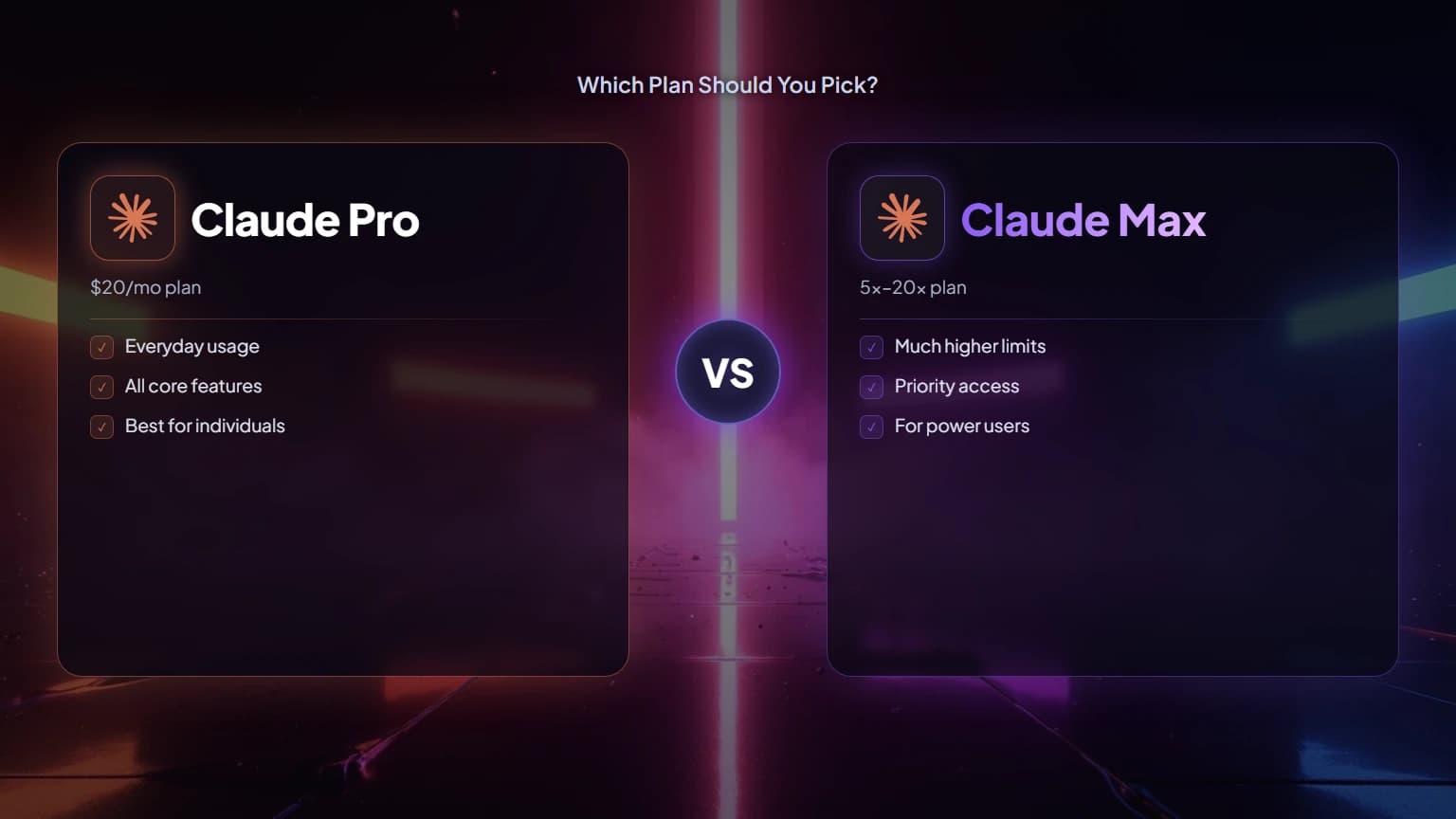
If the caps are the only thing pushing you toward paying, Pro at $20 a month is the smallest step up — we break down exactly what it adds in our Claude Pro plan guide. Above that sit Max at $100 (5x Pro usage) and Max at $200 (20x), aimed at people who live inside Claude all day. You can compare every tier on Anthropic's official pricing page before committing a single cent.
The $5 API free trial for developers
There is a second free door, and it is the one developers mean when they ask about a Claude free trial. Create an account on the developer console at platform.claude.com, verify a phone number by SMS, and Anthropic drops roughly $5 of free API credits into the account — no credit card required. Those credits typically expire about 14 days after you claim them, so treat the window as a focused evaluation sprint rather than an open tab.
Five dollars sounds tiny, but at Claude Sonnet 4.6 rates ($3 per million input tokens, $15 per million output) it stretches to hundreds of test requests — plenty to prototype an app or judge the model against your workload. Because Claude Code runs on that same API, those credits also let you take the coding agent for a genuine spin without a subscription. We walk through the full free-versus-paid picture for the CLI in Is Claude Code free?.
Claude free trial myths, busted
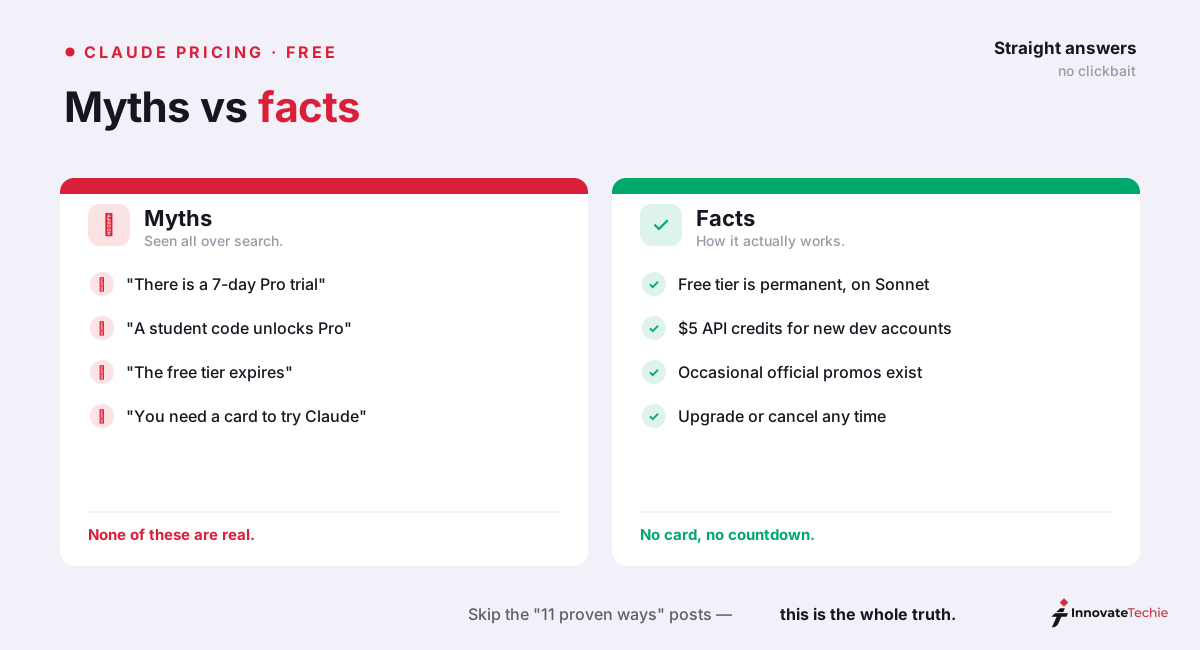
The phrase "free trial" does most of the damage here, because it sets an expectation Anthropic never actually promised. These are the five myths we correct most often.
| The myth | The reality |
|---|---|
| Claude has a 14-day Pro free trial for everyone | No standing trial; only occasional launch-timed promos |
| You need a credit card to try Claude | The free plan needs no card at all |
| Free is a crippled demo of the real thing | It's a permanent plan running the real Sonnet model |
| Free trial API credits never expire | Credits expire roughly 14 days after you claim them |
| There's a self-serve free trial of Claude Code | Only via a paid plan, API credits, or a guest pass |
The takeaway: stop hunting for a hidden Claude free trial button. The free plan and the $5 API credits are the real free access, and both are one sign-up away.
Ways people actually get Claude Pro for free
If it's Pro specifically you want without paying, a few legitimate routes exist — none of them a secret Claude free trial:
- Claude for Education. Students, faculty, and staff at partner universities get free premium access for as long as they're enrolled or employed. We cover eligibility in our Claude student discount guide.
- Open-source grants. Anthropic has offered credits to maintainers of significant open-source projects, applied for through its programs.
- Guest passes. An existing Claude Code user can share a pass worth one free week — a card is required and billing starts when the week ends.
- In-app promo trials. Watch for a "Start free trial" banner around model launches. These are real, time-limited Pro trials: card required, cancel before renewal.
When to upgrade — and when to stay free
Treat the free plan as an open-ended Claude free trial with no deadline: use it until its limits, not its features, start costing you time. Stay free if Claude is a sometimes tool — a few questions a day, light drafting, the occasional file. You will rarely touch the ceiling. Upgrade the moment you hit the five-hour wall repeatedly, need Claude Opus 4.8 for hard reasoning or coding, or want to run Claude Code as a daily driver. That is the honest trigger, and it is about capacity, not switching on some gated feature you can only glimpse on a trial.
Claude pricing at a glance
| Plan | Price |
|---|---|
| Free | $0 |
| Pro | $20 / month |
| Max | from $100 / month |
| API | Pay per token |
For the full breakdown of every plan, see our how much Claude costs guide.
Frequently Asked Questions

Written by
InnovateTechie
Writing about Claude and the Anthropic toolkit — models, Claude Code, pricing, features, and fixes, in clear, practical, hands-on guides tested by daily use.
View all posts →