
Claude Models
Claude Context Window Explained: 200K vs 1M Tokens
Claude's context window is its working memory: 1M tokens on Opus 4.8 and Sonnet 5, 200K on Haiku 4.5. What happens when it fills up, and how to manage it.
10 min read


Category
Claude's context window is its working memory: 1M tokens on Opus 4.8 and Sonnet 5, 200K on Haiku 4.5. What happens when it fills up, and how to manage it.

Claude Haiku 4.5 is Anthropic's fastest, cheapest model — $1/$5 per million tokens, 200K context, and near-frontier coding. When to pick it, and its real limits.
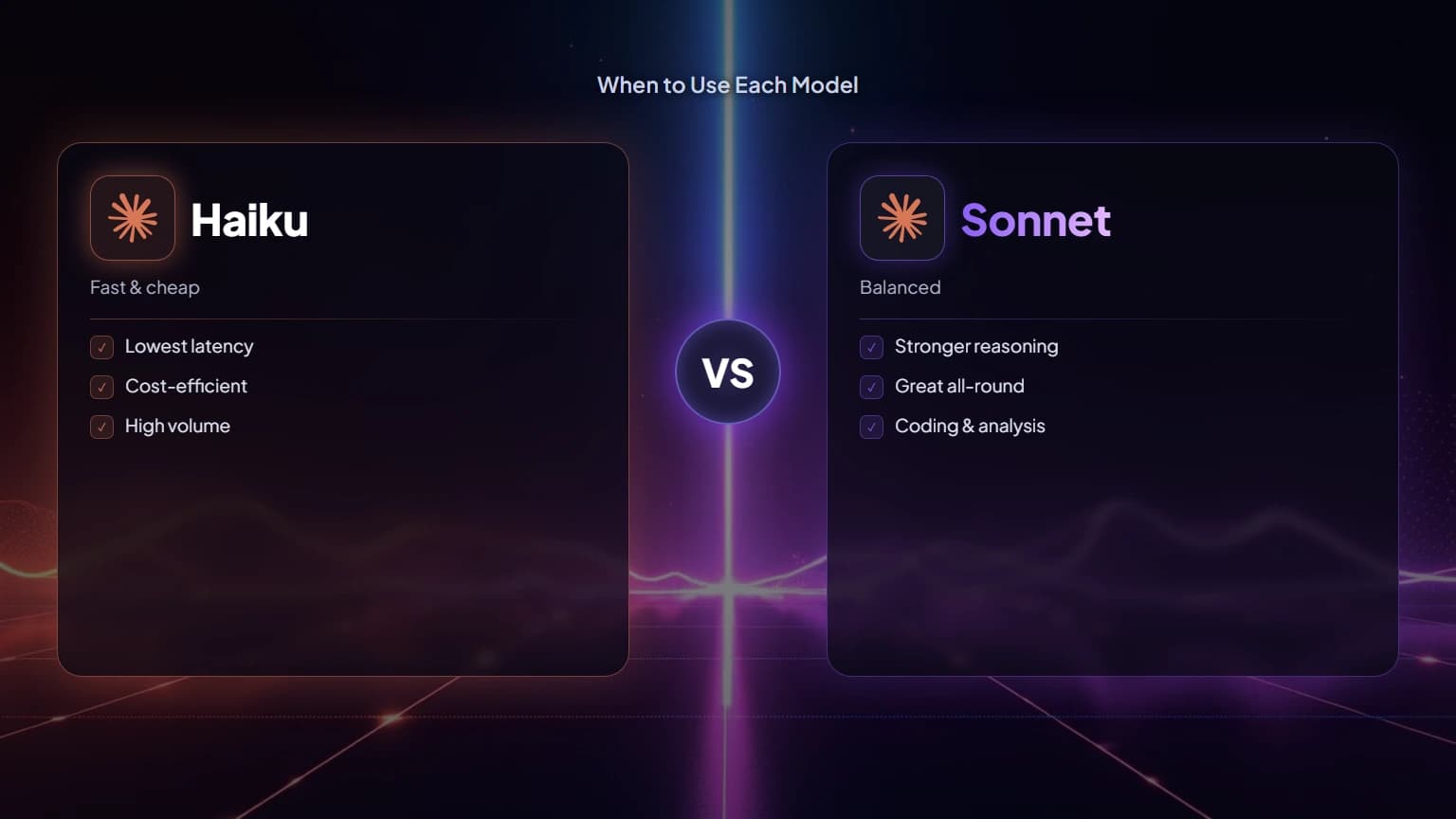
Claude Haiku vs Sonnet: Haiku is cheaper and faster ($1/$5, 200K context), Sonnet is stronger ($3/$15, 1M). When each model is the right call.

Every Claude model in one place: Opus 4.8, Sonnet 5, and Haiku 4.5 compared on price, context, and use case — plus how to decode Anthropic's version names.

Claude Opus 4.8 is Anthropic's flagship model for hard reasoning and agentic coding: the benchmarks, $5/$25 pricing, 1M context, and when to pick it over Sonnet.

A plain-English history of every Claude Opus version, from Claude 3 Opus to the Opus 4.8 flagship — what each release changed, and how to find the latest.

Claude Sonnet 5 is Anthropic's balanced daily-driver model — near-Opus performance at $3/$15, a 1M-token context window, and adaptive thinking on by default.
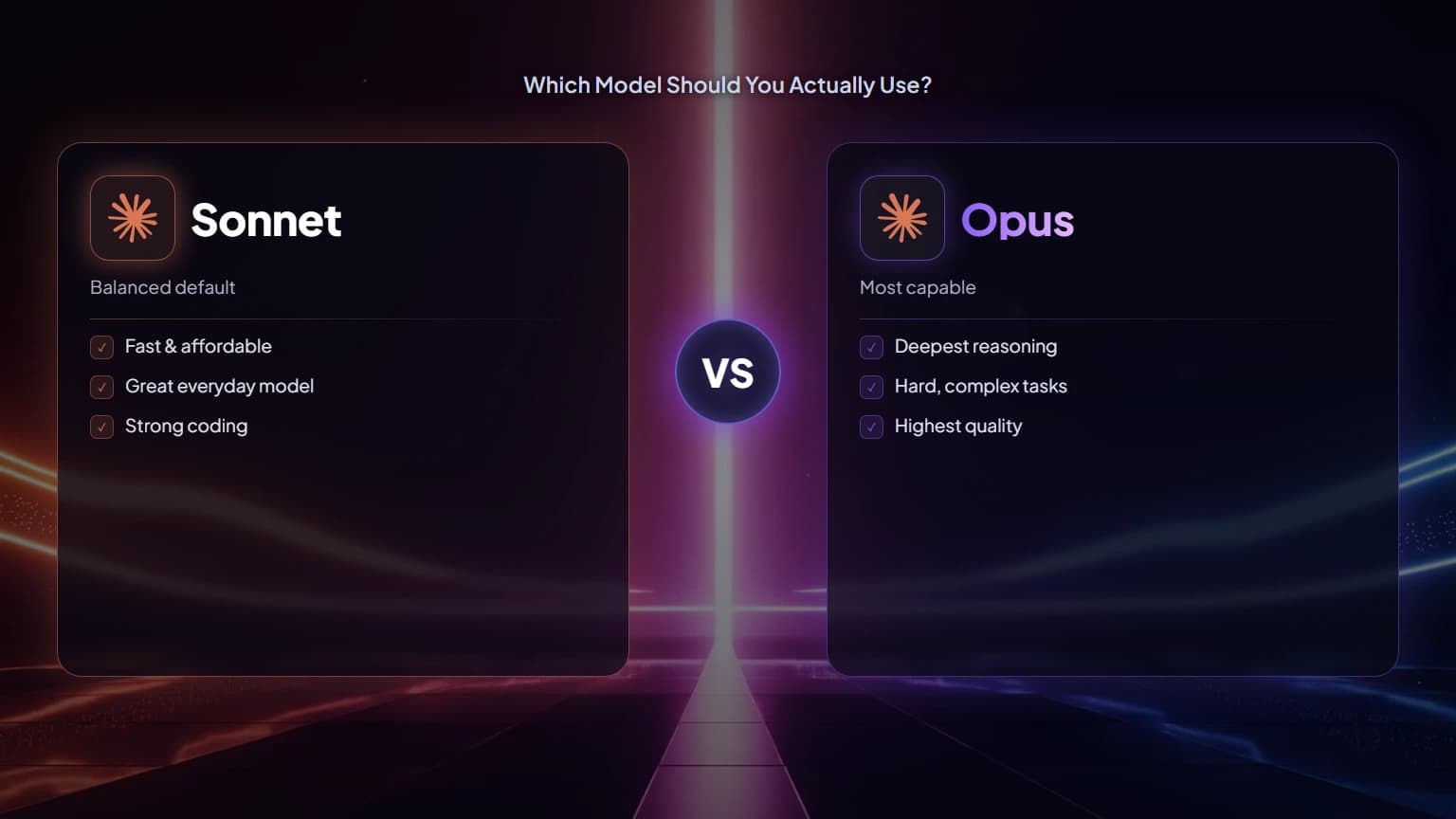
Sonnet delivers 97–99% of Opus's coding ability at roughly 40% of the price. Here's the benchmark data, the pricing math, and a simple decision framework.